
June 30, 2026
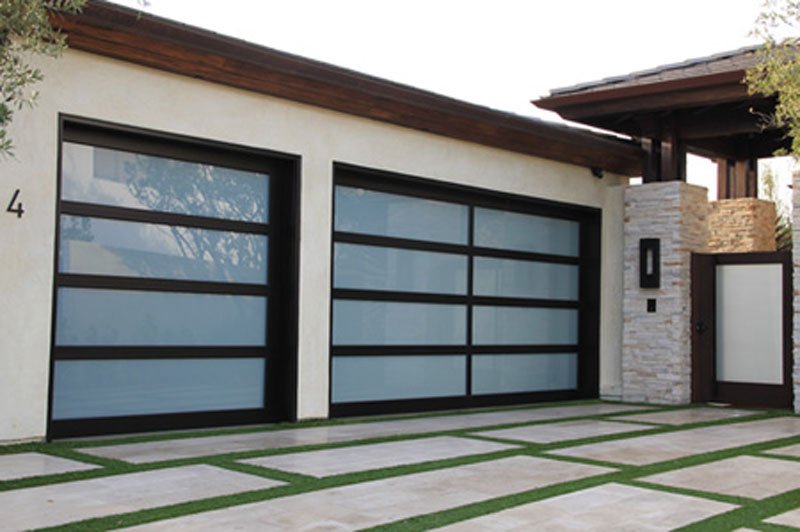
An uninsulated steel door on an inland driveway absorbs sun all afternoon and radiates it into the garage well into the evening. If that garage is attached, or has a room above it, the door is part of your home's thermal envelope whether it was chosen that way or not.
Insulation changes two things people notice: the temperature of the space, and how loud the door is. Here is how to decide how much of it you actually need.
What R-value does and does not tell you
R-value measures the panel's resistance to heat flow, and it is the number every brochure leads with. It is useful for comparing two doors of the same construction — but it says nothing about the gaps around the door.
A high R-value panel in an opening that leaks at the bottom, the sides and the header will underperform a modest panel that is properly sealed. Treat the number as one input, not the answer.
Polystyrene versus polyurethane
These are the two common cores, and the difference is more than thermal.
Polystyrene
Rigid board slid into the panel. Cost-effective, adequate for many coastal and detached-garage installations, and it does reduce noise noticeably compared with a bare panel.
Polyurethane
Injected and bonded to both skins as it expands. It reaches a higher R-value in the same panel thickness and stiffens the section considerably, so the door is more rigid and quieter. Worth the difference inland, and on wide doubles where panel flex matters.
The perimeter does as much work as the panel
The bottom astragal, the side seals and the header stop are what keep hot air, dust and water out. They are also consumables — rubber hardens and cracks in the sun, and a seal that has gone stiff is no longer sealing.
On an existing door, replacing tired seals is one of the cheapest comfort improvements available, and it is often worth doing before considering a whole new door.
Weight, springs and the opener
Insulated doors are heavier than the door they replace. That matters mechanically: the spring system has to be sized to the new weight, and an older opener may be underpowered for it.
This is the part that gets skipped on a price-led quote. A heavier door on the original springs is unbalanced from day one, and everything downstream of that wears faster.
When the extra insulation is genuinely worth it
If the garage is attached, conditioned, used as a workshop, gym or office, or sits under a bedroom, the upgrade pays back in comfort and quiet.
If it is a detached, unconditioned garage used purely for parking and storage, a mid-range insulated door with good seals is usually the sensible stopping point.
What to do next
Measure your opening, note whether the garage is attached or has a room above it, and decide on those two facts before you start comparing R-values.
- look at insulated garage door installation
- check whether your opener suits a heavier door
- have seals and balance checked annually
Want a technician to look at it?
Describe what your garage doors is doing and we will tell you what it usually means before anyone drives out.